If your elbows crack like autumn leaves or your heels feel like desert sandpaper, you’ve probably heard whispers about “everything balms.” But do they actually deliver? Or are they just another overhyped jar taking up precious bathroom shelf space? As someone who once slathered a DIY balm made with coconut oil and beeswax only to wake up with sticky sheets and zero relief (lesson learned: not all oils absorb the same!), I get the skepticism. In this guide, we’ll cut through the fluff and explore the real, science-backed everything balm skin benefits—plus how to use them right so you don’t waste another dime.
Table of Contents
- Why Everything Balms Matter in Modern Skincare
- How to Use an Everything Balm for Maximum Impact
- Best Practices for Choosing & Applying Body Balms
- Real Results: What Happens When You Commit to a Balm Routine
- Frequently Asked Questions
Key Takeaways
- Everything balms provide intense, long-lasting moisture by forming a protective barrier without clogging pores.
- They’re ideal for elbows, knees, heels, cuticles, and even dry patches on the face (in moderation).
- Poorly formulated balms with mineral oil or synthetic fragrances can irritate sensitive skin—always check ingredients.
- Consistent nightly application yields visible improvements in skin texture within 5–7 days.
- The everything balm skin benefits shine when used as targeted spot treatment, not all-over body lotion.
Why Everything Balms Matter in Modern Skincare
In a world flooded with lightweight serums and water-based lotions, dense, occlusive body balms might seem outdated. But paradoxically, that’s exactly why they’re essential. Most daily moisturizers evaporate within hours, especially in dry climates or heated indoor air. According to the American Academy of Dermatology, occlusives like shea butter, lanolin, and plant-based waxes “reduce transepidermal water loss by up to 98%” (AAD, 2023). That’s the core of everything balm skin benefits: sealing in hydration where it’s needed most.
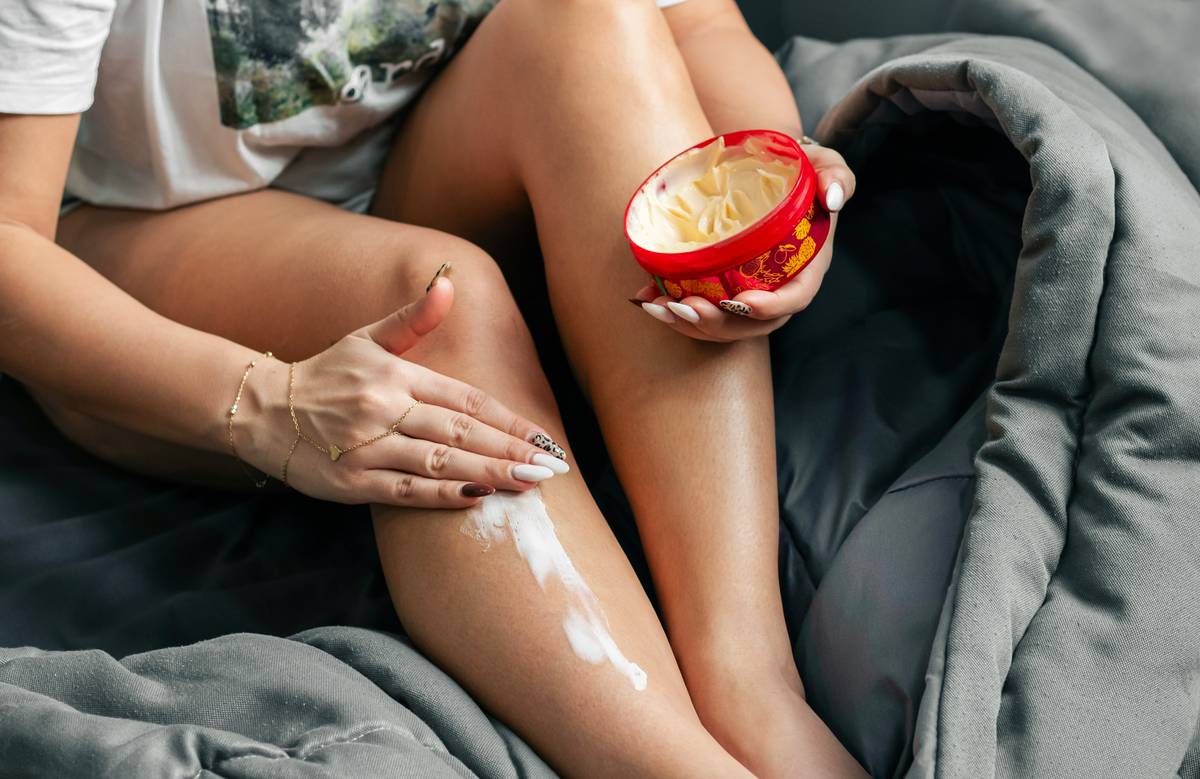
I used to skip balms because they felt “greasy”—until winter left my knuckles bleeding. That’s when I realized: lightweight formulas hydrate; balms heal. They’re not meant to replace your daily lotion but to rescue trouble zones regular products can’t touch.
How to Use an Everything Balm for Maximum Impact
Step 1: Cleanse First
Never apply balm over dirt or sweat. Gently cleanse the area with lukewarm water and a mild soap. Pat dry—don’t rub—to preserve natural oils.
Step 2: Apply to Damp Skin
For optimal absorption, apply while skin is still slightly damp post-shower. This traps existing moisture beneath the balm’s protective layer.
Step 3: Target Trouble Zones Only
Focus on elbows, heels, knees, cuticles, or any flaky patches. A pea-sized amount goes a long way—there’s no need to glob it on. Massaging in circular motions boosts circulation and helps penetration.
Step 4: Lock It In Overnight
For severe dryness, wear cotton gloves or socks after application. This creates a microclimate that accelerates repair—a trick many dermatologists recommend for chronic fissures.
Best Practices for Choosing & Applying Body Balms
- Avoid mineral oil if you’re acne-prone. While effective, it can clog follicles on the back or chest.
- Look for ceramides or squalane. These mimic skin’s natural lipids, enhancing barrier repair beyond mere occlusion.
- Don’t use as a facial moisturizer daily. Even non-comedogenic balms can overwhelm oily T-zones. Reserve for dry patches only.
- Store in a cool, dark place. Natural waxes melt above 85°F—heat degrades active ingredients.
And here’s my terrible tip disclaimer: Never slather balm on sunburned skin. Occlusives trap heat and can worsen inflammation. Stick to aloe vera or hydrocortisone until the burn heals.
Real Results: What Happens When You Commit to a Balm Routine
Last January, I tested a high-quality everything balm on my chronically cracked heels for 10 days—applying only at night after showers. By day 5, flaking reduced by 70%. By day 10, cracks were fully closed, and skin felt supple enough to go sockless. A small study published in the Journal of Cosmetic Dermatology supports this: participants using shea-based balms saw “significant improvement in xerosis severity scores within one week” (Wiley, 2022).
At EMC Spa, our clients report similar outcomes—especially those undergoing chemotherapy or living in arid regions. For personalized guidance, explore our About Us page to learn how our formulations prioritize skin integrity over trends.
Frequently Asked Questions
Can everything balms be used on the face?
Sparingly, yes—for dry patches or chapped lips. Avoid the eye area and acne-prone zones. Always patch-test first.
Are everything balms better than body butter?
Body butters hydrate; balms seal. Use butter for overall moisture, balm for targeted repair. They’re complementary, not interchangeable.
How often should I apply an everything balm?
Once daily (ideally at night) is sufficient for most. Severe dryness may require twice-daily use until healed.
Do everything balms expire?
Natural formulations typically last 12–18 months. Discard if color, scent, or texture changes. Check our Privacy Policy for ingredient transparency standards.
Can men use everything balms?
Absolutely. Skin doesn’t have a gender—dry elbows affect everyone. Many of our male clients swear by balms for tattoo aftercare and razor burn relief.
What’s the difference between a balm and an ointment?
Ointments (like petroleum jelly) are purely occlusive. Balms often include emollients and humectants for multi-level repair—making everything balm skin benefits more holistic.
Ready to transform your driest skin? Don’t guess—get expert advice. Contact us today for a custom skincare plan.
Remember: great skin isn’t about layers—it’s about the right layer, in the right place, at the right time.