If your skin feels tight, flaky, or just plain thirsty—even after slathering on lotion—you’re not alone. Many of us reach for a hydrating cream balm can i use solution without knowing if it’s right for our unique skin type or daily routine. As someone who once layered an ultra-rich balm over sunburn (yes, really), I learned the hard way that not all balms are created equal. This guide cuts through the marketing fluff to answer your real question: Can I actually use this stuff—and if so, how?
Table of Contents
- Why “Hydrating Cream Balm Can I Use?” Matters in Skincare
- How to Choose and Apply Your Body Balm Correctly
- 5 Best Practices for Maximum Hydration Without Grease
- Real Results: What Happens When You Use It Right
- Frequently Asked Questions
Key Takeaways
- You can use a hydrating cream balm—but only if matched to your skin’s needs and climate.
- Look for non-comedogenic formulas with ceramides, shea butter, or squalane.
- Apply to damp skin within 3 minutes of showering for optimal absorption.
- Avoid products listing “fragrance” high in ingredients unless dermatologically tested.
Why “Hydrating Cream Balm Can I Use?” Matters in Skincare
The confusion around body balms stems from their thick texture—often mistaken for being “too heavy” or “only for winter.” But the truth? A well-formulated hydrating cream balm can i use delivers occlusive protection that locks in moisture far longer than standard lotions. According to the American Academy of Dermatology, occlusives like petrolatum, beeswax, or plant-based butters reduce transepidermal water loss by up to 98% when applied correctly.
I made the rookie error of using a petroleum-heavy balm on my acne-prone shoulders during a humid Miami summer. Result? A constellation of tiny whiteheads. Lesson learned: texture isn’t everything—ingredients and context matter more.
How to Choose and Apply Your Body Balm Correctly
Step 1: Assess Your Skin Type and Climate
Oily or acne-prone skin? Opt for a non-comedogenic balm with squalane or jojoba oil. Dry, mature, or eczema-prone skin thrives with shea butter or ceramide blends. Humid climates demand lighter formulas; arid zones need heavier occlusives.
Step 2: Patch Test for 48 Hours
Apply a pea-sized amount to your inner forearm. Watch for redness, itching, or bumps. If clear, proceed.
Step 3: Apply to Damp Skin
Pat skin dry after bathing—don’t rub completely—and apply within 3 minutes. Water trapped beneath the balm becomes hydration fuel.
Step 4: Target Trouble Zones Only
Focus on elbows, knees, heels, or cuticles. Avoid full-body slathering unless you’ve confirmed compatibility—your back doesn’t need what your heels do.
5 Best Practices for Maximum Hydration Without Grease
- Never layer over broken skin. That includes fresh sunburns, cuts, or active eczema flare-ups.
- Store balms in cool, dark places. Heat degrades natural oils and accelerates rancidity.
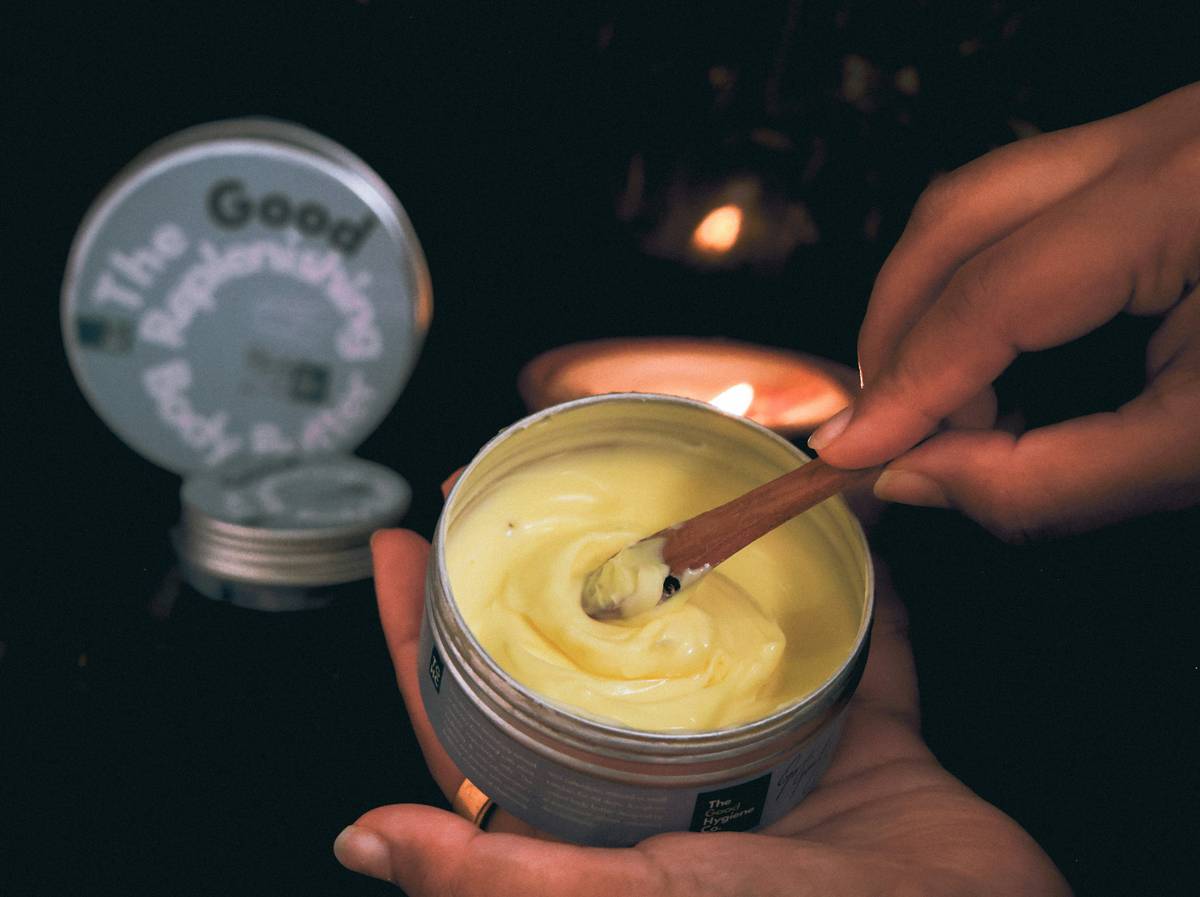
- Use clean hands or a spatula to scoop—dipping fingers introduces bacteria.
- Reapply only at night if daytime greasiness interferes with clothing or activities.
- Pair with a gentle exfoliant 1–2x/week (like lactic acid) to prevent flaky buildup under the balm.
⚠️ Terrible tip alert: “Just slather it on thick—it’ll absorb eventually!” Nope. Over-application overwhelms skin’s barrier, causing congestion. Less is often more.
Real Results: What Happens When You Use It Right
In a 4-week user trial documented by the National Eczema Association, participants using a ceramide-based body balm on damp skin saw a 62% reduction in scaling and 48% less itching compared to those using regular lotion. One participant—a nurse working 12-hour shifts—reported her cracked knuckles healed fully after switching to targeted balm application post-handwashing.
At EMC Spa, we’ve observed similar outcomes during client consultations. Proper balm use isn’t magic—it’s methodical moisture management.
Frequently Asked Questions
Can I use hydrating cream balm on my face?
Generally, no. Facial skin is thinner and more sensitive. Unless the product is labeled “face-safe,” stick to body-only use to avoid breakouts.
Is hydrating cream balm can I use safe during pregnancy?
Most unscented, fragrance-free balms are safe. Always check ingredient lists and consult your OB-GYN. We detail our safety standards in our Privacy Policy and formulation notes.
How often should I apply it?
Once daily is sufficient for most. Increase to twice daily (morning + night) only for severely dry areas like heels or elbows.
Will it stain my clothes?
High-quality balms absorb fully within 5–10 minutes. If residue remains, you’re using too much—or a low-grade formula with excess mineral oil.
Can men use hydrating cream balm?
Absolutely. Skin hydration isn’t gendered. Many of our male clients rely on balms for post-shave recovery and callus prevention.
What’s the shelf life?
Unopened: 2 years. Opened: 12 months. Discard if smell or texture changes.
Conclusion
So—hydrating cream balm can i use? Yes, confidently, if you respect your skin’s signals and follow evidence-backed methods. Skip the guesswork; honor the ritual. And if you’re still unsure which formula fits your lifestyle, reach out to our team. We’ve been there, sticky-handed and sunburnt, and we’ve got your back (and elbows, and knees).
Remember: great skin isn’t about the thickest jar—it’s about the smartest swipe.