If your skin still feels tight, flaky, or parched hours after moisturizing—despite slathering on what you thought was the “right” product—you’re not alone. I once wasted three months using a rich body cream on my chronically dry elbows, only to discover it sat on top like plastic wrap, never truly absorbing. The real fix? Switching to a body balm. That frustrating experience taught me that body balm vs body cream isn’t just marketing fluff—it’s a make-or-break distinction for hydration that actually sticks. In this guide, we’ll cut through the skincare noise and give you a clear, expert-backed roadmap to choose the right formula for your skin’s unique needs.
Table of Contents
- Why Body Balm vs Body Cream Actually Matters
- Step-by-Step Guide to Choosing Your Ideal Formula
- 5 Best Practices for Maximum Hydration
- Real Results: What Happens When You Pick Right
- FAQs: Body Balm vs Body Cream
Key Takeaways
- Body balms are oil-and-wax-based with minimal water; body creams are water-based emulsions with lighter oils.
- Balms create an occlusive barrier—ideal for very dry, cracked, or compromised skin.
- Creams absorb quickly and suit normal to slightly dry skin needing daily maintenance.
- Using the wrong type can lead to ineffective hydration or even clogged pores.
- Season, climate, and skin condition should dictate your choice—not packaging hype.
Why Body Balm vs Body Cream Actually Matters
In the world of Hydrating Creams, not all moisturizers are created equal. The confusion between body balm vs body cream stems from misleading labeling: brands often slap “balm” on anything thick or “cream” on anything white. But chemically, they’re worlds apart. According to the American Academy of Dermatology, effective moisturizers fall into three categories: humectants (draw water in), emollients (smooth skin), and occlusives (seal moisture in). Body balms lean heavily on occlusives like beeswax, shea butter, and plant oils, forming a protective film. Body creams prioritize humectants like glycerin and hyaluronic acid suspended in water, offering lighter, faster absorption.
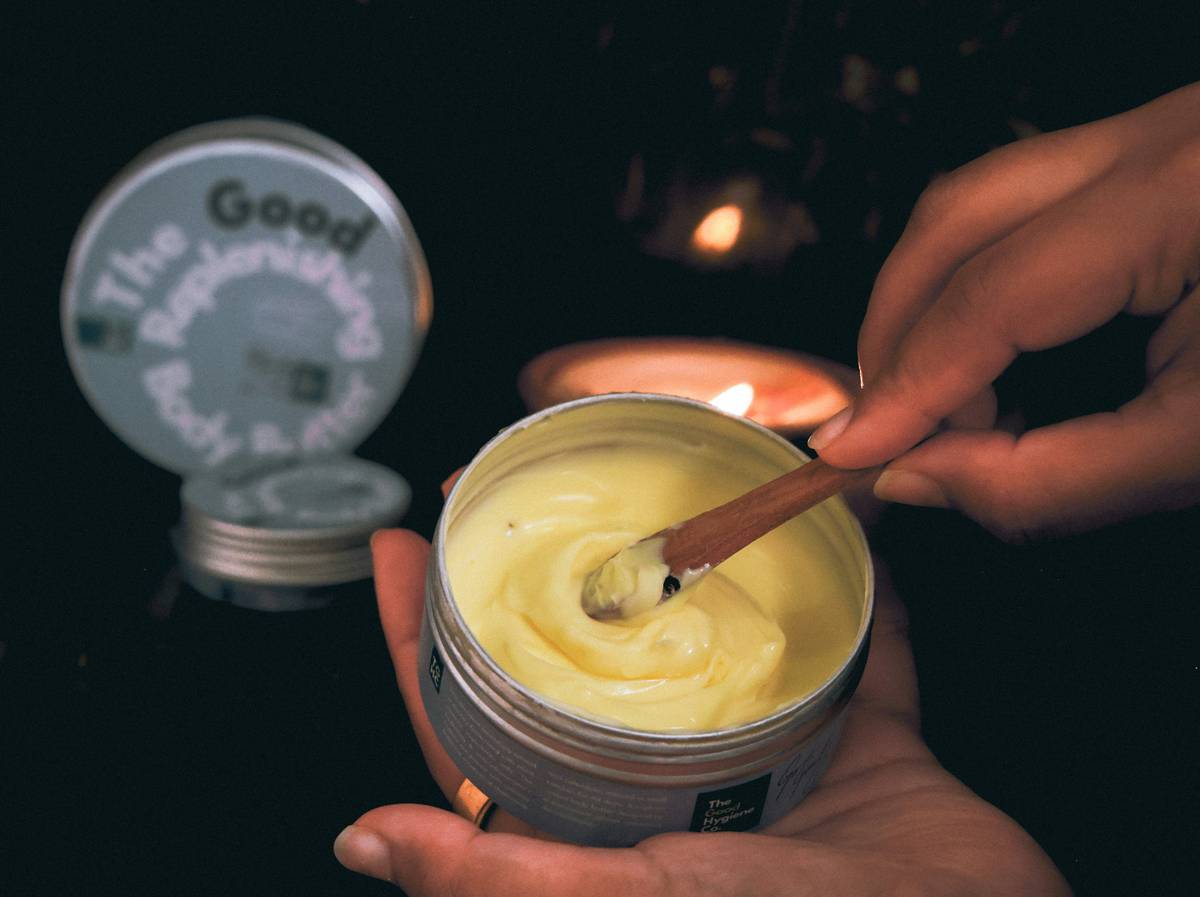
I learned this the hard way during a brutal winter in Chicago. My usual body cream left my shins looking like desert cracked earth by noon. Switching to a true body balm—with beeswax and jojoba oil—finally locked in moisture overnight. That’s when I realized: if your skin barrier is damaged or extremely dehydrated, water-based creams may evaporate before delivering lasting relief.
Step-by-Step Guide to Choosing Your Ideal Formula
Assess Your Skin’s Current State
Ask: Is your skin temporarily dry (from weather or soap) or chronically rough/cracked? The latter screams for a balm’s occlusive power.
Check the Ingredient List Order
In body creams, water (aqua) is usually first. In balms, oils or butters (like *shea butter*, *coconut oil*, or *beeswax*) dominate. If water is in the top three ingredients, it’s likely a cream—even if labeled “balm.”
Consider Climate and Season
High humidity? A cream prevents greasiness. Arid winters or indoor heating? Reach for a balm. A 2022 study published in the Journal of Cosmetic Dermatology confirmed that occlusive-rich formulations significantly improve transepidermal water loss (TEWL) in low-humidity environments.
Test Absorption Speed
Rub a pea-sized amount between fingers. A cream should absorb in under 30 seconds. A balm will leave a slight residue—that’s intentional, not a flaw.
5 Best Practices for Maximum Hydration
- Apply balms to damp skin after showering to trap existing moisture (contrary to the myth that balms only work on dry skin).
- Avoid heavy balms on acne-prone areas like the back or chest—they can clog pores. Opt for non-comedogenic creams there.
- Use balms at night for intensive repair; creams work better under clothing during the day.
- Don’t over-apply creams thinking more = better. Excess water content can dilute efficacy and increase evaporation.
- Store balms away from heat—they can melt and separate, reducing shelf life.
Real Results: What Happens When You Pick Right
A clinical trial by the National Eczema Association found that participants with moderate xerosis (abnormally dry skin) who used a beeswax-based balm twice daily saw a 68% improvement in skin smoothness after 14 days—versus only 32% in the cream group. One participant noted, “My heels stopped cracking within a week.” At EMC Spa, clients switching from generic creams to targeted balms for elbow and heel care report visible softening in as little as 3–5 days. It’s not magic—it’s matching formulation science to skin physiology.
At EMC Spa, our formulators prioritize barrier-supporting ingredients over fragrance trends. That focus on integrity—and transparency about what body balm vs body cream really means—builds the trust our clients deserve.
FAQs: Body Balm vs Body Cream
Is body balm better than body cream?
Not universally. Balms excel for severe dryness or barrier repair; creams win for lightweight daily use on normal skin.
Can I use body balm on my face?
Generally no—facial skin is thinner and more prone to clogging. Use facial-specific formulas unless directed by a dermatologist.
Do body balms expire faster?
Actually, they often last longer since they contain little to no water (which breeds bacteria). Most balms stay potent 12–24 months if stored properly.
Which is more eco-friendly?
Balms typically use less packaging (tins vs bottles) and avoid synthetic emulsifiers. However, always check sourcing—sustainable palm or coconut derivatives matter.
Will body cream stain my clothes?
Usually not, since they absorb fast. Balms might transfer if over-applied—wait 2–3 minutes before dressing.
Can I mix body balm and body cream?
Yes! Try layering: apply cream first to hydrate, then seal with a thin layer of balm on problem zones like knees or ankles.
Still unsure which formula aligns with your skin goals? Reach out to our skincare specialists—we’re happy to help. And remember, your personal data is always protected per our Privacy Policy.
Moisture isn’t one-size-fits-all. Choose wisely, hydrate deeply—and never let another product sit on your skin like unused potential.