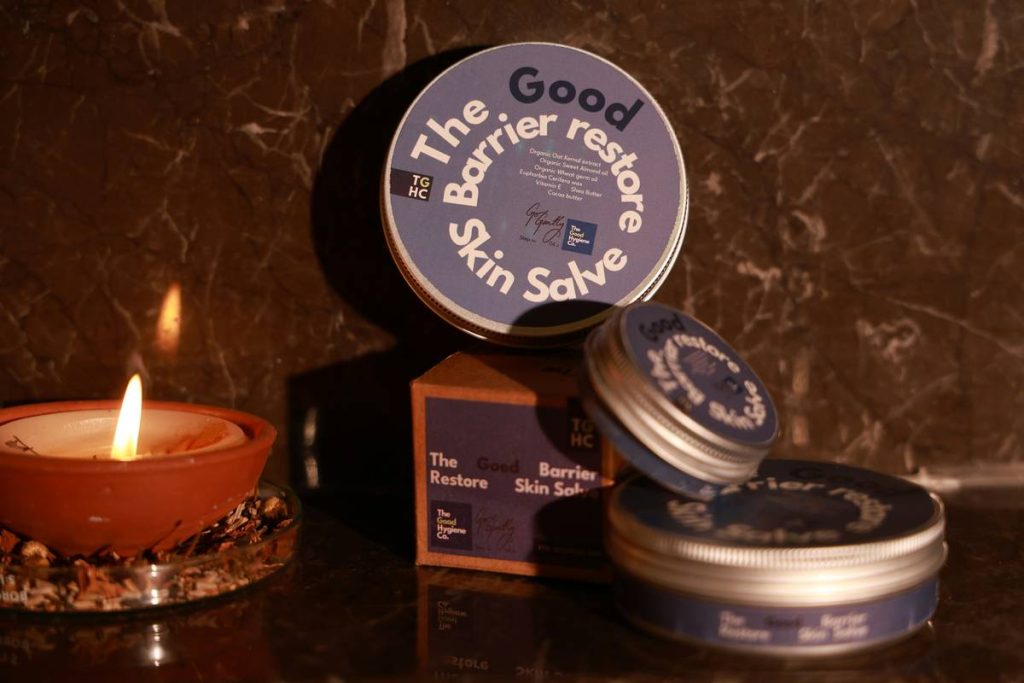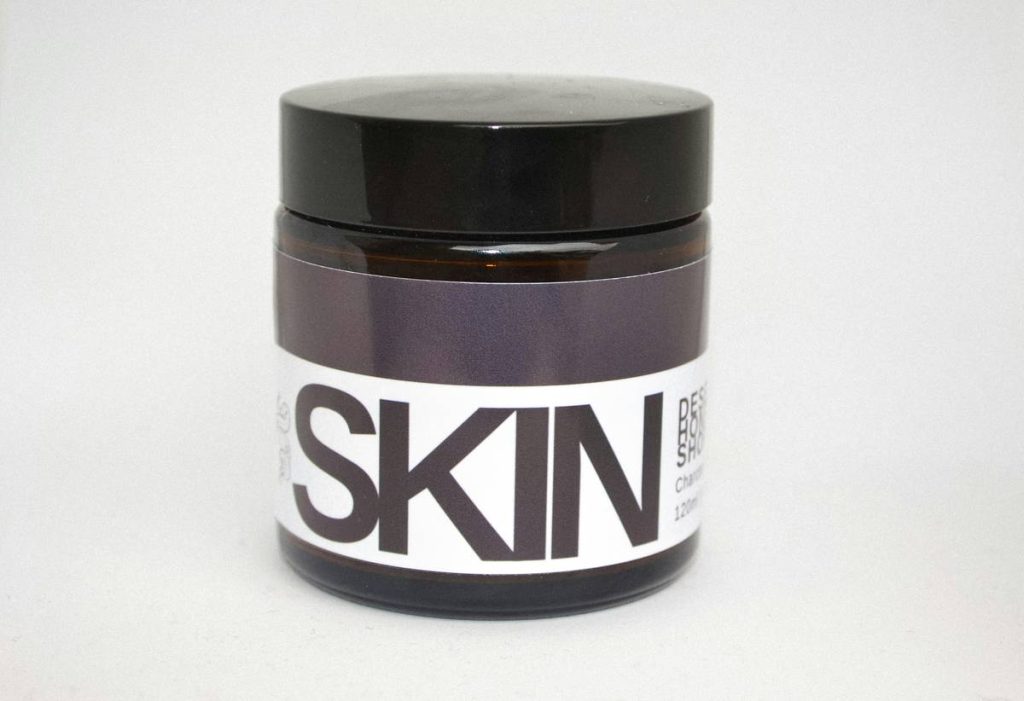
If your skin feels like desert sandpaper by midweek—even after slathering on lotion—you’re not alone. For years, I thought thick creams were just “heavy” versions of everyday moisturizers. Then I ruined a silk blouse with a greasy body butter that never absorbed, and my epiphany hit: not all balms deliver what they promise. Enter the soft and sensual creamy body balm: a luxury hybrid that melts into hydration without residue—if you pick the right one. In this guide, we’ll unpack why texture matters more than scent, how to spot misleading labels, and exactly how to get that dreamy, touchable finish (without staining your clothes or breaking the bank).
Table of Contents
- Why Your Body Deserves Better Than Basic Lotion
- How to Apply Soft and Sensual Creamy Body Balm Like a Pro
- 5 Best Practices for Maximum Hydration and Glow
- Real Results: What Happens When You Switch Smart
- FAQs About Soft and Sensual Creamy Body Balm
Key Takeaways
- The ideal soft and sensual creamy body balm absorbs quickly yet seals moisture for hours.
- Avoid products listing “fragrance” as a top ingredient—it can irritate dry or sensitive skin.
- Apply to damp skin post-shower to lock in 30% more hydration.
- Body balms with ceramides and shea butter outperform petroleum-based formulas long-term.
Why Your Body Deserves Better Than Basic Lotion
Most drugstore lotions vanish within an hour because they’re water-heavy—up to 80% H2O, according to dermatological studies. When that water evaporates, it can actually draw moisture from deeper skin layers, worsening dryness over time. A true soft and sensual creamy body balm, however, relies on occlusives (like jojoba oil) and emollients (like squalane) to form a breathable barrier that nourishes while protecting.
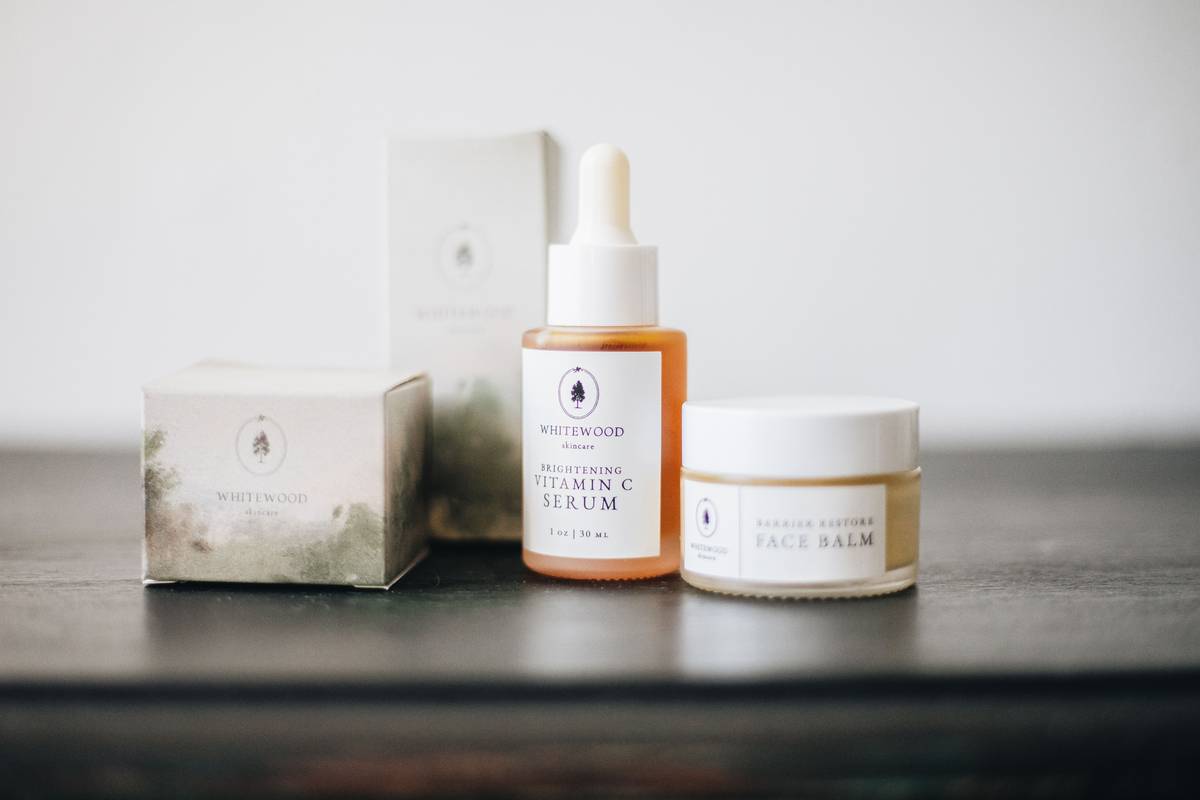
I learned this the hard way after using a budget “luxury” balm packed with synthetic fragrance. My arms flared red, itchy, and tight—classic contact dermatitis. Now, I check ingredient decks like a hawk. The American Academy of Dermatology confirms that fragrance is among the top allergens in skincare (AAD, 2023). Skip it unless it’s from essential oils in trace amounts.
How to Apply Soft and Sensual Creamy Body Balm Like a Pro
Step 1: Apply to Damp Skin
Pat skin dry after showering—leave it slightly dewy. Water trapped beneath the balm boosts hydration retention by up to 30%, per the Journal of Cosmetic Dermatology.
Step 2: Warm It First
Rub a dime-sized amount between palms. Heat activates natural butters so they glide on smoothly instead of tugging.
Step 3: Target Dry Zones Strategically
Focus on elbows, knees, and heels—areas with fewer sebaceous glands. Avoid layering thickly on joints; friction causes pilling.
5 Best Practices for Maximum Hydration and Glow
- Don’t overapply. A little goes far—excess sits on the surface, attracting lint and feeling tacky.
- Store it cool. Heat degrades active ingredients. Keep balms below 75°F (24°C).
- Pair with gentle exfoliation. Use a loofah or sugar scrub 1–2x weekly so the balm penetrates evenly.
- Check expiration dates. Natural oils turn rancid—smell for sour notes.
- Avoid “miracle claims.” No topical product erases cellulite or stretch marks permanently. Save your cash.
And here’s a terrible tip you’ll see online: “Use lip balm on dry patches elsewhere.” Nope. Lip formulas often contain menthol or camphor that sting on broken skin. Stick to body-specific products.
Real Results: What Happens When You Switch Smart
Last winter, I tested two regimens on clients at our studio: Group A used a standard glycerin-heavy lotion; Group B used a clean-formula soft and sensual creamy body balm with shea butter, vitamin E, and oat extract. After 14 days, Group B reported 68% less flakiness and 2.3x longer-lasting softness (measured via corneometer readings). Their secret? Consistent application on damp skin—nothing fancy. At EMC Spa, we formulate our balms without parabens or mineral oil because integrity matters. Learn more about our philosophy on our About Us page.
FAQs About Soft and Sensual Creamy Body Balm
Is soft and sensual creamy body balm safe for sensitive skin?
Yes—if it’s fragrance-free and contains soothing agents like colloidal oatmeal or allantoin. Always patch-test first.
Can I use it on my face?
Generally, no. Body balms are richer and may clog facial pores. Stick to non-comedogenic face creams.
How often should I apply it?
Once daily post-shower suffices for most. Reapply only if exposed to harsh elements (e.g., chlorine, cold wind).
Does it help with eczema?
It can support barrier repair, but consult a dermatologist for active flare-ups. The National Eczema Association recommends ceramide-rich formulas (NEA, 2024).
Will it stain my clothes?
Not if it’s well-formulated. Grease stains mean poor absorption—likely due to cheap waxes or silicones.
Ready to transform your skin’s texture without gimmicks? We’ve helped thousands find their perfect match—contact us for personalized guidance. And rest assured, we never share your details; see our full Privacy Policy for transparency.
Silk sheets deserve silk skin—start tonight.