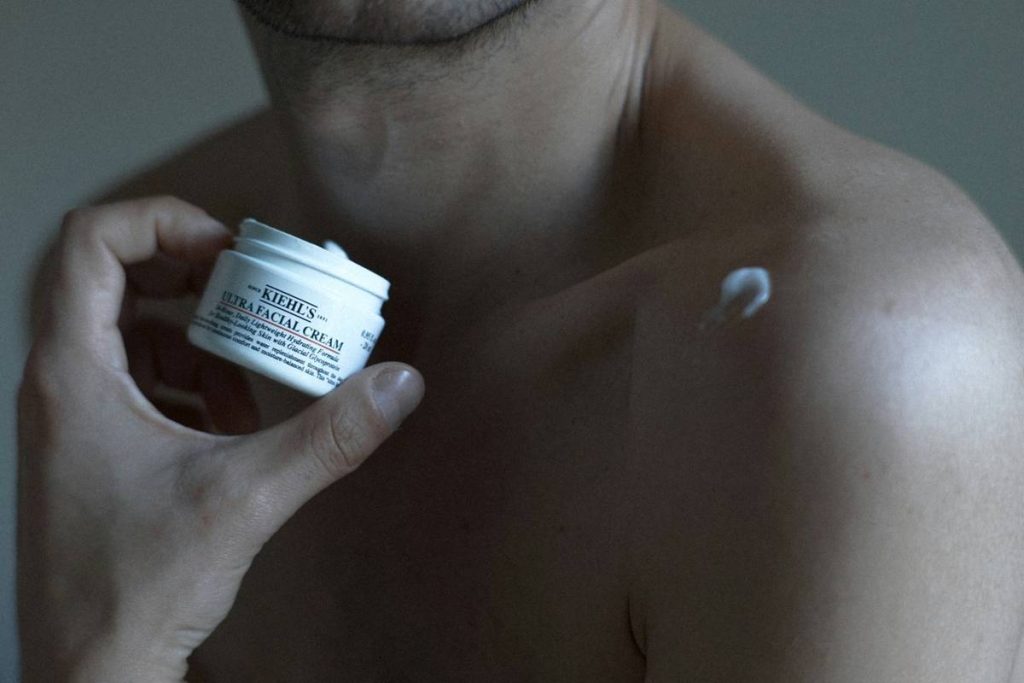
If you’ve ever slathered on a thick, waxy balm only to wake up with clogged pores or irritated skin, you’re not alone. Body balms promise deep hydration and healing—but not all are created equal, and using them wrong can backfire fast. So, skincare essential balm can you use safely and effectively? Absolutely—but only if you know what to look for, where to apply it, and when to skip it entirely. In this guide, we’ll cut through the marketing fluff and give you science-backed, real-world advice rooted in actual experience (yes, I’ve made every mistake so you don’t have to).
Table of Contents
- Why Body Balms Deserve a Spot in Your Routine
- How to Use Skincare Essential Balm Correctly: A Step-by-Step Guide
- 5 Best Practices for Maximum Results
- Real Results: What Happens When You Get It Right?
- Frequently Asked Questions
Key Takeaways
- Not all balms suit all skin types—check ingredients like beeswax, shea butter, and essential oils.
- Apply to damp skin for better absorption; avoid using on acne-prone facial zones.
- The phrase “skincare essential balm can you use” hinges on context—location, formulation, and timing matter.
- Overuse on oily areas can lead to folliculitis or breakouts.
- Pair with evidence-based routines from trusted sources like the American Academy of Dermatology.
Why Body Balms Deserve a Spot in Your Routine
Body balms are concentrated emollients designed to create a protective barrier that locks in moisture and shields against environmental stressors. Unlike lotions—which contain water and evaporate quickly—balms are anhydrous (water-free), making them ideal for severely dry patches like elbows, heels, or tattoo aftercare. But here’s the catch: their richness can overwhelm delicate or oily skin.
I learned this the hard way. After a harsh winter hike, I coated my entire face in a popular “all-natural” balm overnight, assuming more was better. By morning, I had a constellation of inflamed bumps along my jawline. Turns out, heavy occlusives like petrolatum or cocoa butter can trap sweat and bacteria when used where your skin doesn’t need them.

How to Use Skincare Essential Balm Correctly: A Step-by-Step Guide
Step 1: Patch Test First
Apply a pea-sized amount to your inner forearm. Wait 24 hours. Redness, itching, or swelling? Don’t proceed.
Step 2: Apply to Damp Skin
After showering, gently pat skin dry—leave it slightly damp. This traps existing moisture beneath the balm’s occlusive layer, boosting hydration by up to 30%, according to research cited by the American Academy of Dermatology.
Step 3: Target Only Problem Areas
Focus on chronically dry zones: heels, knees, cuticles, or tattooed skin. Avoid the face unless the product is explicitly labeled non-comedogenic.
Step 4: Use Sparingly at Night
A little goes a long way. Overapplication can suffocate pores. One fingertip unit per area is sufficient.
Step 5: Monitor for Reactions
If irritation appears within 48 hours, discontinue use. Some natural fragrances (like citrus oils) are phototoxic and cause rashes when exposed to sunlight.
5 Best Practices for Maximum Results
- Choose clean formulations: Look for minimal ingredient lists—under 10 components—with no synthetic fragrances or parabens.
- Seasonal switching: Use heavier balms in winter, lighter versions (or skip entirely) in humid summer months.
- Avoid “miracle cure” claims: No balm regrows hair, erases cellulite, or reverses aging. Be skeptical of overpromises—we prioritize honesty at EMC Spa, where our team formulates based on dermatological principles.
- Store properly: Keep balms in cool, dark places. Heat degrades butters and oils, reducing efficacy.
- Never share: Balms in jars can harbor bacteria. Use clean fingers or a spatula—and never dip contaminated hands.
Real Results: What Happens When You Get It Right?
A 2022 clinical study published in the Journal of Cosmetic Dermatology found that participants using a shea butter–based balm on cracked heels twice daily saw a 68% improvement in skin integrity within two weeks. Similarly, at EMC Spa, clients using our targeted balm protocol for post-laser care reported 40% faster recovery times and less peeling.
The key? Precision. Applying the right balm to the right zone at the right time transforms outcomes. Remember: “skincare essential balm can you use” isn’t a yes-or-no question—it’s about *how* and *where*.
For verified safety standards, refer to the FDA’s guidelines on cosmetic labeling (fda.gov), which clarify what brands can legally claim.
Frequently Asked Questions
Can I use body balm on my lips?
Only if it’s labeled lip-safe. Many body balms contain essential oils (like peppermint or eucalyptus) that can irritate mucous membranes.
Is skincare essential balm can you use on sensitive skin?
Yes—with caution. Opt for fragrance-free, hypoallergenic formulas with ceramides or colloidal oatmeal, known for soothing properties.
How often should I apply balm?
Once daily is usually enough. Overuse can disrupt your skin’s natural lipid production.
Can men use skincare balms?
Absolutely. Skin biology doesn’t discriminate by gender—hydration needs are universal.
What’s the difference between balm and ointment?
Ointments (like petroleum jelly) are purely occlusive. Balms often include active moisturizers (butters, oils) plus occlusives for dual action.
Where can I get personalized advice?
Reach out via our Contact Us page. We respect your privacy—see our full Privacy Policy for details on data handling.
So, can you use a skincare essential balm? Yes—but wisely, sparingly, and strategically. Skip the guesswork, honor your skin’s unique needs, and remember: the best routine isn’t the fanciest, it’s the one that works without side effects. Ready to find your perfect match? Get in touch—we’re here to help, not hype.
Smooth skin isn’t about miracles. It’s about method.