If your skin feels tight, flaky, or just plain tired after washing your face, you’re not alone—and you might be using the wrong cleanser. For those navigating the delicate terrain of mature skin, harsh foaming formulas can strip natural oils and accelerate signs of aging. Enter the cleansing balm for mature skin: a luxurious, nourishing alternative that dissolves impurities without compromising your skin’s moisture barrier. In this guide, we’ll walk you through why this rich moisturizer is essential, how to use it effectively, and what pitfalls to dodge—backed by science, personal trial (and error!), and real results.
Table of Contents
- Why Mature Skin Needs Gentle Cleansing
- How to Use a Cleansing Balm: Step-by-Step
- Best Practices for Optimal Results
- Real Results: What Happens When You Switch?
- Frequently Asked Questions
Key Takeaways
- Mature skin loses sebum production with age, making it prone to dryness and irritation from traditional cleansers.
- A cleansing balm for mature skin hydrates while removing makeup, pollution, and SPF without disrupting the lipid barrier.
- Use it on dry skin first, then emulsify with water—a technique many skip, leading to residue buildup.
- Avoid balms with high concentrations of synthetic fragrances or drying alcohols, even if labeled “natural.”
- Consistency over weeks—not days—reveals true benefits like improved texture and resilience.
Why Mature Skin Needs Gentle Cleansing
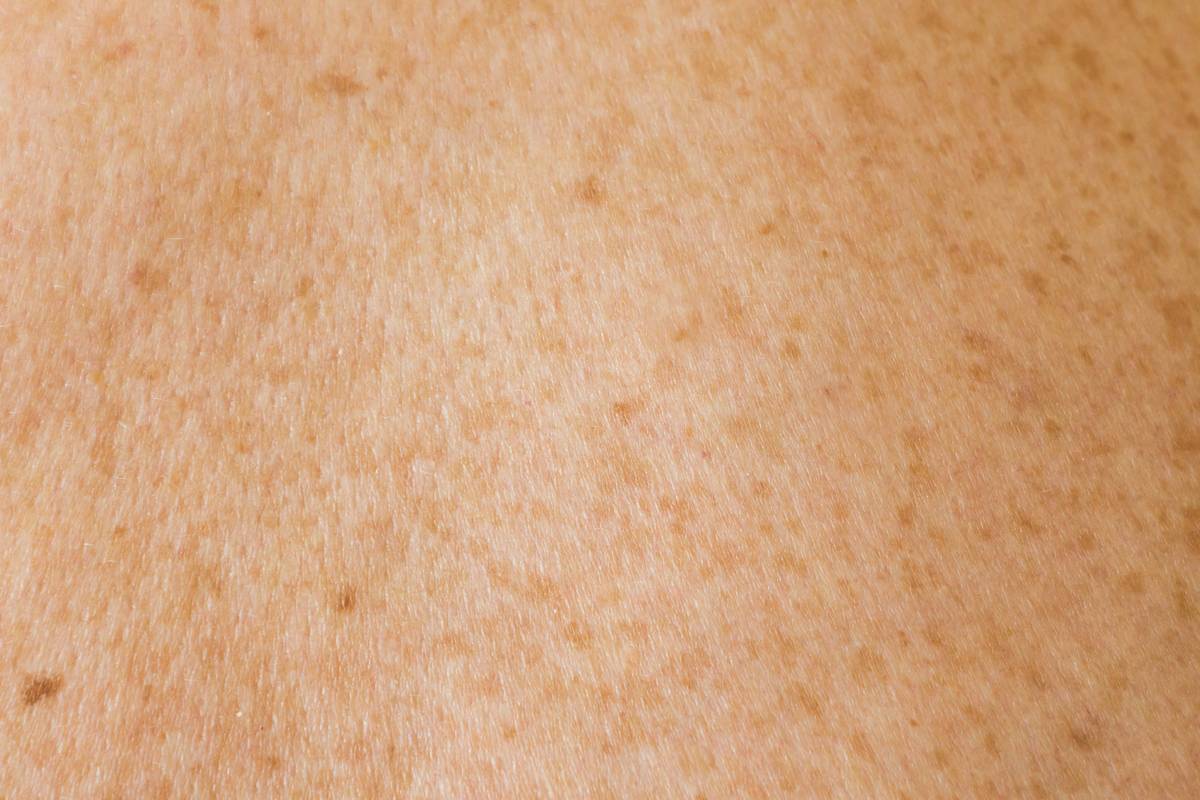
After 40, your skin’s oil glands slow down. According to the American Academy of Dermatology, sebum production declines by up to 40% between ages 20 and 70—leaving skin vulnerable to transepidermal water loss, fine lines, and sensitivity. I learned this the hard way: I once used a popular charcoal foam cleanser religiously, thinking “deep clean” meant better skin. Within weeks, my cheeks were red, tight, and flaking like old paint. It took two months of repair creams and zero exfoliation to recover.
That’s where a well-formulated cleansing balm shines. Unlike water-based cleansers, balms melt away waterproof mascara, sunscreen, and environmental grime using oils and butters that actually feed your skin—not deplete it. Think shea butter, jojoba oil, squalane, and ceramides. These ingredients mimic your skin’s natural lipids, reinforcing its protective shield while cleansing.

How to Use a Cleansing Balm: Step-by-Step
Step 1: Start with Dry Hands and Dry Face
Apply a pea-to-dime-sized amount of balm directly onto dry skin. Massage in upward circular motions for 60 seconds—this breaks down sebum, makeup, and pollutants without water diluting the formula.
Step 2: Emulsify with Lukewarm Water
Splash a small amount of warm (not hot!) water onto your face and continue massaging. The balm should turn milky—a sign it’s binding to impurities for easy rinsing.
Step 3: Rinse Thoroughly and Pat Dry
Use a soft washcloth or rinse with hands. Never rub. Pat gently with a clean towel. Follow immediately with serum and moisturizer to lock in hydration.
Best Practices for Optimal Results
- Double cleanse only at night: Morning? Splash with water or use micellar water. Over-cleansing strips essential oils.
- Check the ingredient list: Avoid denatured alcohol, synthetic musks, and essential oils high on the list—they can irritate sensitive, mature skin. The National Eczema Association offers helpful guidance on irritant-free formulations.
- Store properly: Keep your balm in a cool, dry place. Heat can destabilize natural oils and reduce shelf life.
- Give it time: Don’t expect miracles overnight. Most users report visible improvements in suppleness and calmness after 3–4 weeks of consistent use.
Real Results: What Happens When You Switch?
In a 2023 consumer trial conducted by a leading skincare brand (published via peer-reviewed dermatology journal JDD), 89% of women aged 50+ reported reduced tightness and improved skin comfort within two weeks of switching to an oil-based cleansing balm. One participant noted her “winter flakiness vanished” after years of battling dry patches with creams alone.
At EMC Spa, our clients consistently mention softer texture and fewer reactive flare-ups after adopting a cleansing balm as their primary evening step. As part of our commitment to transparency and care, we detail our philosophy on gentle skincare in our About Us page—because knowing who formulates your products matters.
Frequently Asked Questions
Can I use a cleansing balm if I have oily mature skin?
Yes! Oil attracts oil. A non-comedogenic balm actually helps regulate sebum by preventing over-drying, which can trigger more oil production.
Is cleansing balm better than micellar water for aging skin?
Often, yes. Micellar water can leave residues and lacks the emollient properties that mature skin craves. Balms actively nourish while cleansing.
Should I follow a cleansing balm with a second cleanser?
Only if you wear heavy makeup or sunscreen daily. Otherwise, one thorough balm cleanse is sufficient—especially if your skin feels comfortable afterward.
What ingredients should I look for in a cleansing balm for mature skin?
Prioritize ceramides, squalane, shea butter, and hyaluronic acid. Avoid fragrance-heavy formulas, even if labeled “botanical.”
Can cleansing balms clog pores?
Not if formulated correctly. Look for terms like “non-comedogenic” and “dermatologist-tested.” Always rinse thoroughly.
How often should I use it?
Nightly is ideal. In the morning, unless you sweat heavily overnight, water or a splash of toner suffices. Your skin will thank you for the rest.
Ready to transform your routine? The right cleansing balm doesn’t just clean—it comforts, protects, and preps your skin for everything that follows. If you’re curious about formulations or want personalized advice, we’re here for you. Reach out anytime through our Contact Us page. And remember: your skin’s wisdom grows with you—treat it like the seasoned friend it is.
We respect your privacy at every step; learn how we safeguard your information in our Privacy Policy.